Porzingis: Is the hype real?
by Brendan Ripley-Barasch
In the weeks leading up to the NBA draft lottery, Phil Jackson, the president of basketball operations for the New York Knicks, kept a close eye on the three best prospects. He attended Kentucky’s practice to see Karl-Anthony Towns, then stopped by at Madison Square Garden for a St. Johns-Duke game to scout Jahlil Okafor, and attended the Ohio State-Nebraska game to observe D’Angelo Russell. With a record of 17-65, the New York Knicks had a great chance at landing the number one overall pick in the 2015 NBA draft. Unfortunately the ping-pong balls did not fall their way, first pick went to the Minnesota Timberwolves, second went to the Los Angeles Lakers, and third went to the Philadelphia 76ers. How is that possible? How did the Knicks drop out of the top three? Finally at number four the New York Knicks name was called. Phil Jackson and Knicks fans alike were disappointed with landing the number four spot but still had hope that one of the top three prospects could fall to four.
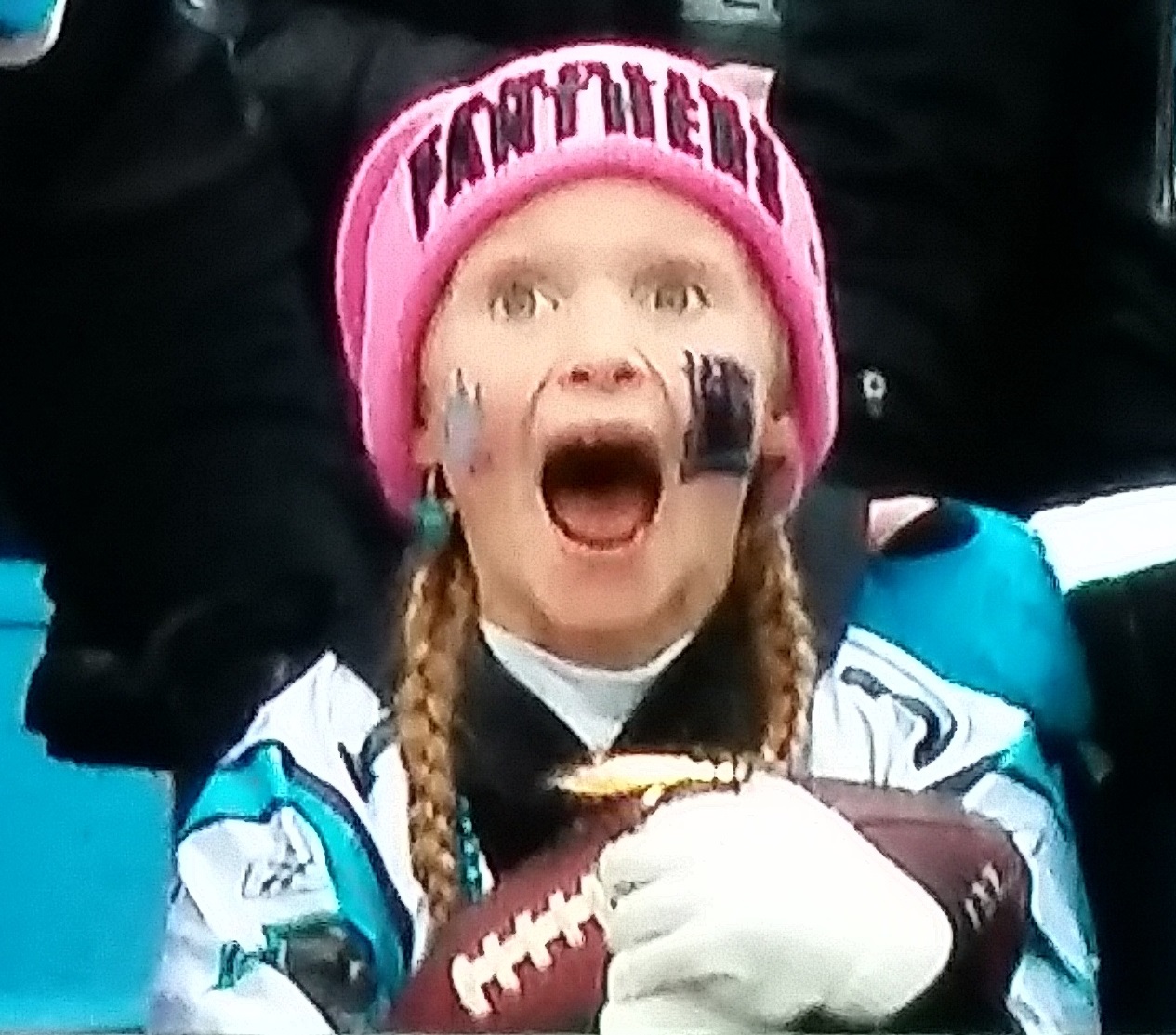
Fast forward to the NBA draft, the solid depth of the draft opposed to recent years gave NY fans hope they could still find a superstar at the fourth pick. The draft begins with the Timberwolves predictably taking Karl-Anthony Towns. Next, the Lakers take D’Angelo Russell, and that was a bit crushing to fans and of course Phil Jackson because he was very public about how highly he thought of him, “He’s a great-looking kid,” said Jackson. Then the crushing blow to Knicks fans was when the 76ers selected Jahlil Okafor. The top three were gone, who is Phil going to pick? “With the fourth pick in 2015 NBA draft, The New York Knicks select Kristaps Porzingis,” announced commissioner Adam Silver. The arena filled with boos and the camera even caught a young Knicks’ fan crying. Everyone was baffled at the pick because no one even knew who this guy was.
Leading up to the season teammates and coaches were raving about Porzingis and his incredible athletic ability, but NY fans were not convinced, they had to see it with their own eyes. In the regular season opener against the Milwaukee Bucks, Porzingis dropped sixteen points including a three, grabbed five rebounds, and had a block. Now fans were paying attention, the 7-3 power forward had made a great first impression with the city of New York. This was the first of many great performances which led to Porzingis being named rookie of the month in November. The highlights of the first month with a twenty-nine point and eleven rebound game against Charlotte and a game against Houston where he had twenty-four points, fourteen rebounds, and seven blocks.
After his insane first month, Kristaps Porzingis had become a sensation in New York. Much like the short-lived Linsanity that swept through Knicks fans, they were honoring Porzingis like a god, even with some giving him the nickname “Porzingod” or “Godzingis”. Night after night he made spectacular plays, most notably his put-back dunks over players and his use of the post move we know as the “Dream Shake.” Everyone knows how New York media can hype something up, and that was exactly what was happening to Porzingis. First they booed him and ridiculed Phil Jackson for picking him and now all of a sudden they were praising him and foresee him as the savior for the New York Knicks. Number six jerseys were flying off the shelves, he was a fan favorite and his goofy personality made him a favorite of the press as well.
Now the media focuses on Porzingis more than they focus on the former superstar and savior, Carmelo Anthony. Remember that kid who cried when the Knicks drafted Porzingis? Yeah, they met and the kid ended up getting an autograph and apologizing. It is rare to find a story about the Knicks that doesn’t mention Porzingis now.
But is the hype about him real? I think so. After collecting his third consecutive Rookie of the Month award, helping the Knicks surpass their entire win total of last year before the All-star break, drawing raves about him from superstars such as Tim Duncan and Kevin Durant, and posting a line of 14 points/7.7 rebounds/1.9 blocks. It is fair to say that this is not the same case as with Jeremy Lin where the media got overly excited and talked about him being a future superstar and face of the franchise after one month and then he ended up falling off the NBA radar for a while. Porzingis has continued to display consistency, maturity, and improvement over the NBA season and may have the highest upside out of any rookie with his size, athletic ability, and basketball IQ. Although he’s not an All-star and might not even be the Rookie of the Year thanks to the stellar season that Towns is having, New York has found a player to build around for the future with Carmelo Anthony for sure.
Reactions to Tom Coughlin’s resignation
by Brendan Ripley-Barasch
As new head coach, Ben McAdoo sits in his office, evaluating the state of the New York Giants organization and Eli Manning and Odell Beckham Jr. prepare for the Pro Bowl later tonight. One man is confined to his couch getting ready to watch his former superstars perform, Tom Coughlin.
After 12 years as the head guy in New York, on Jan. 4, Tom Coughlin decided to step down from the position. Coughlin leaves with an overall record of 102-90 and two Super Bowl rings while also having had the opportunity to coach multiple elite players such as Michael Strahan, Eli Manning and Odell Beckham. During his tenure as Head Coach, something fans could always count on from the team was that the players were going to run out of that tunnel and play as hard as they could for Tom. It was hard to say that was true the past three years. Maybe that is what led to his resignation, or was it that the team had not made the playoffs since 2011? Or was his age becoming an issue? At 69 years old, Coughlin was the oldest coach in football. Any one of these reasons could have been the deciding factor for him to move on from the New York Football Giants.
At first it wasn’t clear whether Coughlin had stepped down under his own power, or the Giants had actually let him go, but out of respect told him he could tell the media he was resigning. Adam Schefter of ESPN cleared the air when he said Coughlin, “decided to step down before Giants asked if he wanted to stay.” Most New York media outlets running stories about Coughlin chose to describe the resignation as him stepping down or moving on from the organization; its easy to see the amount of respect that not only the fans have but also the media because instead of saying he resigned or was forced out they chose to use softer words to describe it.
During this past season, especially towards the end, there were pretty much two points of view on Tom Coughlin and his future with the Giants among fans and the media. One was that it was time to start fresh, after four years of missing the playoffs and having a losing record three of those years, most people were ready for a change. Many media sources wrote about Coughlin in negative but respectful ways, citing his multiple failed attempts at going for it on fourth down rather than kicking the field goal and more notably about how Coughlin didn’t remove Odell Beckham Jr. from the game when he and Carolina Panthers cornerback, Josh Norman, had multiple altercations during the game including trash talk, shoving and pushing, and even throwing punches at each other. The other view people had on the Tom Coughlin issue was that fans should stay loyal and the Giants organization should keep offering him one-year deals until he was ready to call it quits. Some people might have felt this way because of the two Super Bowls he brought to New York or because he brought the Giants back to elite status. The thing that may have swayed many loyal fans into having the first point of view was probably when the Giants were absolutely dismantled on Monday Night Football by the Minnesota Vikings, losing 49-17. When the team was pushing for the playoffs and playing in a huge Monday night game, they came out just flat and no one seemed like they wanted to be there or even cared about the outcome. With those circumstances, the team should have come out and played with a fire under them, but instead they rolled over and allowed the Vikings to do whatever they wanted.
All of the wins and losses, Super Bowls, and division titles are now just a thing of the past. All we can do now is look back at Tom Coughlin’s legacy with the Giants and it’s probably a safe bet to say that most people will remember him in a very positive way. He goes down as one of the best coaches in New York Giants’ history and we will all miss seeing him and his rosy cheeks on the sideline every Sunday.
Title IX: Now and Then
By Angeline Seames
Title IX: is a piece of legislation included in the Education Amendments of 1972 that requires schools that receive federal funds to provide girls and women with equal opportunity to compete in sports
Since the beginning, and as time has gone on, Title IX has affected sports in many different ways. When Title IX had just passed in 1972 there were still problems occurring for women across college campuses.
In 1971, the year before Title IX became law, fewer than 300,000 girls participated in high school sports, about one in 27. Today, the number approaches 3 million, or approximately one in 2½ (Garber).
The number of women participating in intercollegiate sports in that same span has gone from about 30,000 to more than 150,000. In the last 20 years alone, the number of women’s college teams has nearly doubled (Garber).
Before Title IX, only tennis and golf had established professional tours. Today, there are also women’s professional leagues for soccer, volleyball, bowling and two for basketball. Women have even made inroads in the traditionally male sports of boxing and mixed martial arts (Garber).
In 1976 the women’s crew from Yale protested to the Director of Physical Education by writing Title IX or IX on their backs or chest while naked in front of the director. The crew team had this protest to show what a cold shower caused to happen to these young women. The men rowing team on the other hand used the boathouse that had warm showers, while the woman’s used a trailer with four shower heads with only cold water. With this occurring some of the woman on the crew team got sick from sitting on a cold bus, soaking wet, in cold clothes. Nineteen women from the crew team showed up with Chris Ernst the captain to the appointment with the Director of Physical Education. The response from alumni and the nation caused more action to occur with Title IX. Alumni sent checks to help build a girls locker room the next year in the boathouse. With this happening, Title IX became a rally cry for other women on campuses. A documentary was created in 1999 called “A Hero For Daisy.”
Throughout time things have definitely changed for woman and Title IX.
Here are some stats:
1 in 27 – # of high school girls competing in sports prior to Title IX
1 in every 2.5 – # of high school girls competing in sports today
3714 – more women’s teams on college campuses than there were in 1972
989 – more men’s teams
32,000 – # of female college athletes in 1972
164,998 – # of female college athletes today
8.7 – The average number of women’s teams offered per NCAA school in 2005.
2 – # of women’s teams offered per NCAA school in 1972
33% of total NCAA athletic budgets spent on ALL women’s sports (title nine)
While women comprise approximately 54 percent of the enrollment in the 832 schools that responded to the NCAA’s 1999-2000 Gender Equity Study, they account for only 41 percent of the athletes. This violates Title IX’s premise that the ratio of female athletes and male athletes should be roughly equivalent to the overall proportion of female and male students (Garber).
According to 2000-2001 figures, men’s college programs still maintain significant advantages over women’s in average scholarships (60.5 percent), operating expenses (64.5 percent), recruiting expenses (68.2 percent) and head coaching salaries (59.5 percent) (Garber).
Only 44 percent of the head coaches of women’s teams are female, an all-time low that represents less than half the pre-Title IX figure (Garber).
Today, despite these advances, there is still gender discrimination that limits sporting opportunities for women at the intercollegiate level. Despite Title IX’s success in opening doors to women and girls, the playing field is far from level for them. For example, although women in division I colleges are 53 percent of the student body, they receive only 41 percent of the opportunities to play sports, 36 percent of overall athletic operating budgets and 32 percent of the dollars spent to recruit new athletes.
The United States General Accounting Office had recently done a report on the participation level of men and women athletics. According to their report, men’s intercollegiate athletic participation rose from approximately 220,000 in 1981–1982 to approximately 232,000 in 1998–1999. Between 1981 and 1982 and 1998 and 1999, football participation increased by 7,199—offsetting wrestling’s loss of 2,648 participants; outdoor track’s loss of 1,706 participants; tennis’s loss of 1,405 participants; and gymnastics’ loss of 1,022 participants. Other sports that gained participants include baseball (+5,452), lacrosse (+2,000) and soccer (+1,932). It is very clear that although more women’s teams than men’s have been added every year, there are still many men’s teams being added to compensate the programs that have been dropped (GAO 2001).
Garber, Greg. “Landmark Law Faces New Challenges Even Now.” ESPN. ESPN Internet Ventures. Web. 20 Nov. 2015. <http://espn.go.com/gen/womenandsports/020619title9.html>.
General Accounting Office. “GENDER EQUITY Men’s and Women’s Participation in Higher Education.” United States General Accounting Office, 15 Dec. 2001. Web. 20 Nov. 2015. <http://www.gao.gov/assets/240/231026.pdf>.
“What Is Title IX?” Title Nine. Web. 20 Nov. 2015. <http://www.titlenine.com/category/who are we/title ix- what is it-.do>.
DFS vs. NCAA
by Brandon Busuttil
For the past 2 years Daily Fantasy Sports has risen through the ranks and is now one of the most exciting ways for people to play fantasy sports. Out of all the people that do play these daily fantasy sports leagues, heavy restrictions have been put on NCAA athletes. In the United States, all but 5 states consider daily fantasy sports leagues to be legal and games of skill rather than games of luck.
Therefore the start of the debate was, if sites such as Fanduel and Draft Kings are considered games of skill rather than games of luck, it is not technically considered to be gambling. Overall, participation by athletes in DFS leagues was allowed.
It was reported that since the year 2004 NCAA athletes have been taking part in DFS leagues and the percentage of NCAA athletes putting money forth and receiving money awards for winning leagues has increased throughout each year.
It is at the point now that not just professional sports are involved, but so are college sports. College football and college basketball DFS leagues are played daily by individuals. Although the use of likenesses is another topic up for debate, athletes are getting in trouble for the use of DFS leagues.
Scott Stricklin, the Athletic Director at Mississippi State made it clear on September 22, 2015 that he was going to reiterate Oliver Luck’s words (NCAA Vice-President) that any college athlete gambling on sports (including DFS such as Fanduel and Draft Kings) will be subject to losing one year of eligibility. This was the beginning of the issue of DFS leagues.
This instance has had a large rippling affect on many aspects of the sporting world. To start, both the SEC Network and PAC-12 Network will no longer air any ads that have to do with Fanduel or Draft Kings, to show they do not support the use of DFS for college athletes. This was a huge decision because both networks lost some of its funding, as both Fanduel and Draft Kings were paying the networks a lot of money for advertising time.
ESPN is the largest network provider of college sports in America. Shortly after Scott Stricklin and Oliver Luck made sure NCAA athletes knew how serious it was to not gamble on any NCAA sanctioned sport, ESPN decided to disband their “cover alert” feature. The “cover alert” feature ESPN had on their apps and sites gave users an update on the broadcast that gives those who are betting a heads up on the score of a game in relation to its point spread. Disabling this feature for users shows that ESPN is trying to do their job by doing what they can to keep athletes safe by trying to keep them away from being tempted to bet. Although it is just a small move by ESPN, it is a move that in a way shows they care.
Overall, should NCAA athletes be allowed to play DFS such as Fanduel and Draft Kings? That is something that is up for a debate, and one that I am pretty sure would be a very long debate. Is it a game of skill or a game of luck? Again another debate that could take a long while to decide. For now the rule is stated that NCAA athletes cannot participate in DFS. However, with such a blurred line of what DFS is really considered, look for NCAA gambling rules to be clarified for athletes as time goes on and in the near future. More than likely the new rules will look to put even greater restrictions on NCAA athletes, as this seems to be a trend for the NCAA.
Sprint Will Return for 2016 NASCAR Season
by Angeline Seames
Sprint is preparing to return in 2016 for a lame-duck year as title sponsor of NASCAR’s Cup Series, though the sponsor was open to leaving early if the opportunity arose, according to sources.
The Kansas City-based carrier, whose contract expires after the 2016 season, indicated to NASCAR months ago that if the sanctioning body found a brand that wanted to take over starting in 2016; Sprint would be open to the arrangement (according to sources). There could have been a financial component to such a move, those sources added, with Sprint helping alleviate a new sponsor’s first-year commitment in the sport. Sprint currently spends between $50 million and $75 million on its title deal annually.
However, with sources saying there have been no indication a new deal is imminent and with the 2016 season just four months away, the window to get a replacement by next year has about closed due to the immense logistical planning and execution that go into such a switch.
Sprint officials acknowledged that the sponsor was coming back. NASCAR declined to comment.
Brands that have been pitched on the title sponsorship include Panasonic, LG, Coca-Cola, Goodyear, Comcast and Hisense, according to sources. They added that Hisense showed the most interest thus far, though the China-based consumer electronics brand has decided against it for now. NASCAR went to market asking $100 million per year for a minimum of 10 years.
Categories that are being pursued by NASCAR for the title sponsorship include consumer electronics, financial services and telecommunications according to sources. The latter two of those are either completely or relatively competition-free in NASCAR, which makes them desirable because they would create fewer issues for NASCAR teams during an eventual changeover from Sprint.
Numerous sources pointed out that a deal of this magnitude was almost always going to take two years to complete, which speaks more to the glacial pace of corporations than anything else. They also pointed out that a lame-duck sponsor working to avoid its final year is routine in sports marketing, meaning it would have been more surprising if Sprint hadn’t shown interest in getting out a year early.
Involved in the NASCAR sales efforts are: Chief Sales Officer Jim O’Connell; Steve Phelps, Executive Vice President and CMO; Chad Seigler, Vice President of Business Development; Matt Shulman, Managing Director of Series Marketing; Chairman and CEO Brian France; and Dewar.
The only title sponsors in Cup series history are Winston (1971-2003), Nextel (2004-07) and Sprint.
NHL: Same Game, Different Season
by Brandon Busuttil
With the NHL season underway, a lot happened this off-season but all teams have the same goal: make the playoffs and win the almighty Stanley Cup. So, how have all those off-season moves and predictions been looking after the first few games into this NHL season.
I think it is important to start with the new overtime format. Instead of the 4-on-4 overtime format, that resulted in only 35% of games tied after regulation ending in overtime, and the rest of the 65% of tied games ending in a shootout; the NHL has decided to move to a 3-on-3, 5-minute overtime format followed by a shootout. Overtime periods just got a lot more exciting. With a lot of ice and some of the most talented NHL players in that open space, you can expect a lot more overtime goals, and that is exactly what happened. The excitement about a game going into overtime has gone way up, and now has fans watching with large rushes of adrenaline. The NHL definitely got it right with this overtime format change.
Mike Babcock has moved on from the Detroit Red Wings to the Toronto Maple Leafs. It can easily be determined Babcock gave up success with the Red Wings for a lot more money and a much bigger challenge. The Detroit Red Wings is one of the most renowned teams in the NHL making the playoffs 24 years in a row. Now with a rookie head coach, Jeff Blashill, can the Red Wings keep it up or will they crumble? With the amount of talent Detroit has, along with the fact Blashill coached the AHL affiliate team of the Red Wings the Grand Rapids Griffins to a Calder Cup trophy (much of those players he coached are now playing for the Red Wings), I think the team will be in good hands. Blashill follows a system very similar to Babcock, and if it is truly similar to Babcocks, that means the team will stay successful. So far into the season it has been proven that the Red Wings are exactly where they left off with Babcock, continuing to be successful with two goaltenders whom are good enough to both be starting.
The Toronto Maple Leafs on the other hand, are still struggling. To put this team in perspective, their first line players would be on a third line at any decent NHL team. It will be interesting to see what Mike Babcock can do with this team, but I would not expect a quick fix. Babcock has been signed to a 8 year deal to see if he can be the magician to change this Leafs team around, and it is predicted that it will take a long two or possibly three seasons until we hear of the Maple Leafs making noise in the NHL. This has proven true because the Leafs have continued their losing woes in this 2015-2016 NHL season.
The last big story-line that is looked at is: what is the deal with the Chicago Blackhawks? Coming off of a Stanley Cup championship, can Chicago do it again? Unlikely. They lost some key players due to free agency and trades, but they will still be a force to be reckoned with considering their star players that have stayed are going to make up for the lack of those whom left.
Overall, it should be a great and interesting season this year, filled with some great goaltenders all looking to make a name for themselves and some trying to keep their name as one of the best in the game right now. We have top-notch rookies such as Connor McDavid, whom is compared to Sidney Crosby when he entered the league. Lastly, we have teams that could make a push to be a force this year such as the Florida Panthers, whom have come out this year with a lot of determination and force.
Look for an exciting year of hockey, and one that will probably be filled with the unexpected.
Does FIFA Need to Make Changes?
By Josh Roeloffs
What is holding soccer back from being an elite sport in the United States? It’s the most popular sport in the majority of countries around the world, why hasn’t it caught on in the U.S.?
Well at first glance there are a handful of problems that prevent soccer from reaching a popular climax. There are many reasons that seem prominent in the minds of Americans when it comes to how Soccer is played; these problems include low scoring matches, draws, yellow and red cards, faked injuries, the referee having too much influence on outcome, slow pace, the clock doesn’t stop and lack of stops in action or missing the goals.
The list is almost daunting, but there are some simple tweaks to the rules and culture of the game that would immediately fix these issues. There are a few solutions that help to minimize multiple problems on the list.
First of all, FIFA could lax the off-sides rule. At this point, if any part of your body is ahead of the defender, you are off-sides. If it were to be changed that if any part of your body is behind or in line with the opponent there would be a drastic increase in the pace of play as well as the amount of goals scored throughout a match, not to mention that the more goals that are scored by the players without a referee blowing the whistle is a good thing for the game.
To help the growth of soccer in the United States, FIFA may want to re-evaluate a rule that they have rejected for years: stopping the clock. This is something, that as a fan of soccer in America, I have heard over and over. People say things like, “Soccer is ridiculous! Why would I watch a sport that doesn’t even stop its clock for injuries?” But a problem that would be addressed if FIFA were to implement this rule is the epidemic that is faked injuries. A player will fall to the ground writhing in fake pain just to waste a minute or two in the finals moments of a game; but if the rule is in place, there is no reason for them to do this as the clock will just stop.
An alternative solution for faked injuries would be to force anyone who stays on the ground injured, real or not, to stay out of the game for about 5 minutes to help discourage the action. When it comes to the clock, the opposition to this rule change would argue that the final attacks in extra time of the half and match are important. What if the referee could still let a final attack continue? It would be fine if the referee was the final say on the game ending clocks, but it would be on a shorter leash than it currently is.
Another way to help prevent these late game injuries would be to allow for one or even two more substitutions. It has most definitely been a problem in the past when it comes to the final ten or fifteen minutes, as well as regarding the longevity of players’ seasons and careers. Another benefit of additional substitutions means that the fans as well as the coaches will be able to see a larger variety of players on the pitch. It would also benefit the young players as it would give them opportunities to grow their skills with in-game experience. It could potentially hurry the maturity of superstars, therefore getting them into the match earlier in their career.
There’s a concept that Americans struggle to accept and generally refuse to watch soccer because of it. This concept is a tie. Americans grew up with tournament style, elimination, no ties type of games. When it comes to soccer, a 0-0 draw is possible, and many Americans hate it. Unfortunately, it’s a tough problem for FIFA. FIFA’s only option is to make draws less likely. They have a few options to consider. First of all, there could be a short extra time in regular season matches, decreasing the chance for a draw.
A final reason that the sport has seen slow growth in the United States is the lack of commercial stoppages available for TV providers. With a lack of potential income comes the lack of TV coverage. With the lack of TV coverage comes a lack of attention and fan dedication, which has been a massive problem for the MLS in the United States. Say if FIFA was to rule that there would be a few minute stop at the 20th minute mark as well as say the 65th minute mark, therefore increasing advertisement profit possibly all the way up to 30%! This income could allow for cash to be put back into the sport furthermore increasing coverage specifically in the United States, but potentially around the world. It would also provide the players for a quick break to rehydrate. It could reduce the amount of late game injuries and cramps that are all too common from game to game.
In response to the proposed rule changes, FIFA has a responsibility to make changes to adapt our beloved sport to competition in the 21st century. America is slowly taking interest in soccer, but the U.S. lags way behind when it comes to national interest in comparison to countries around the globe. The adoption of any of these small changes would be a step in the right direction for the sport as a whole, and would eventually lead to an extreme increase in interest in the United States in the years to come.
Johnson Continues To Fly Under Radar
by Nicholas Muhl
Averaging over 400 yards passing a game, top 5 in touchdowns thrown, only three interceptions in two wins against major non-conference opponents; Matt Johnson is flying under the radar.
According to Scott Swegan (@ScottSwegan), Assistant Director of Athletic Communications for Bowling Green State University and ESPN Statistics , BGSU Falcons quarterback Matt Johnson has accumulated some impressive numbers and accolades in his 2015 campaign, including:
- 5-time MAC East Offensive Player of the Week
- In the last two weeks he has thrown almost as many TD’s (10) as he has incompletions (11).
- Has led the Falcons on opening drive score 6/7 games.
- Through 7 weeks, the nations leading passer in yards (2891), 3rd in Touchdowns (24)
- 2-time Manning Award Star of the Week, Manning Award Midseason Watch List
- 70.5% completion percentage, 5th best passer rating (174.1)
- Led the Falcons to two wins over Big Ten opponents for the first time in school history
- http://heisman.com/roster.aspx?path=aspirants_&roster=2
- http://espn.go.com/college-football/player/_/id/513573/matt-johnson
Some are going to accuse me of being a homer, because I do attend Bowling Green State University. However, I believe Johnson’s numbers and the game film truly speak for themselves. Here in northern Ohio, just off I-75, we are aware of the incredible talent throwing the football for our BGSU Flacons. It’s time the rest of the country is aware of him too – so let me introduce you to Matt Johnson who is a serious Heisman candidate, and one of the best quarterback prospects in the NCAA.
http://heisman.com/roster.aspx?path=aspirants_&roster=2
The “it” factor – Dino Babers coached Garoppolo (Bruce Feldman, Fox Sports)
Hershey Co. Signs Deal To Sponsor USOC Through 2020 Tokyo Games
by Angeline Seames
Hersey Co. signed a five-year deal with Team USA, which makes the USOC (United States Olympic Committee) back in the candy game. The iconic candy maker is now an official sponsor and confectionery partner through the 2020 Tokyo Games. This is USOC’s first deal in the confectionery category since the 2008 Beijing Games, when Hershey then had a supplier deal.
Olympic marketing experts say a sponsor-level partnership with the USOC sells for between $1-3 million annually. With only 10 months left until the Rio Games, Hershey and USOC will immediately tackle activation details. This in mind, the USOC came out with a statement stating “We hope we have a really great footprint in the candy aisle thanks to Hershey.” Brands of candy bars that will be included in the relationship are: Hershey’s, Reese’s, Hershey’s Kisses, Twizzlers, Brookside dark chocolates and Krave premium jerky.
The USOC has even bigger names brought together for its consumer-packaged goods partners like Coca-Cola, Kellogg’s and Procter & Gamble. Team USA displays of these partners are at retailers during the Olympics. The big name brands want to be able to capitalize and get partners motivated around, making an even bigger footprint in their aisle.
The Hershey Director of Partnership Marketing David Palmer, was instrumental in reuniting Hershey Co. and the USOC. Hershey before hand has been a longtime supporter of USA Track & Field, and signed a deal in 2014 to become its second-largest sponsor behind Nike. Hershey Co. has had experience with USA Track & Field for over 30-plus years. Hershey’s statement stated that, “This is just a part of our longtime commitment to supporting skills for a lifetime of physical activity for people of all ages.” This legacy at Hershey will undoubtedly benefit the sponsorship it shares with USOC.
Hershey is truly one of America’s most iconic and beloved companies. With the announcement of the sponsorship both companies together shared a statement stating; “Both Hershey and Team USA share a unique, irreplaceable place in the hearts, lives and memories of many Americans; we want our country and athletes to know that Hershey is here to help bring moments of goodness and patriotic pride throughout the games and beyond.”
Hershey will support its USOC sponsorship through a variety of media channel activation’s over the course of 2016 leading up to the Rio Olympic and Paralympic Games.