Sam Morris is from Madison Heights, Michigan, and is an undergraduate student at BGSU majoring in Sports Management. He has a passion for sports writing and journalism. In his free time, he also performs, writes, and produces his own rap music.
Since its creation in 2018, tens of thousands of student-athletes have used the portal. According to NPR, the NIL rule in 2022 has increased the applicant pool even more in the past two years.
Football is one of the sports for which the portal has gained the most attention. BGSU football has used it to turn their program around.
Falcon Football and Blane Cleaver
After spending three years at Army West Point, Blane Cleaver, senior tight end for the Falcons, became one of the many BGSU football transfers this past offseason.
Blane Cleaver, BGSU Falcons senior tight end
“I decided to step away (because) the balance between trying to play division one football with academics and the military was pretty challenging; and I just wanted a fresh start,” said Cleaver.
He got that fresh start with the Falcons after entering a chaotic April transfer portal process.
“I talked to between 20-30 schools,” he said. “I had calls, texts, (and) voicemails from the moment I woke up to dinner time.”
He eventually narrowed it down to three schools. He made his final decision after coming to Bowling Green for a visit.
“When I got to campus, I really liked everything I saw,” said Cleaver.
He believes the transfer portal is a huge positive for mid-sized schools like BGSU.
“If someone’s at Ohio State and they’re not playing, it’s very easy for them to take a step back to a bit of a smaller school, or guys at an FCS can take that step up and make an impact as well,” he said.
BGSU football has seen both cases recently impact their team. Former Indiana quarterback, Connor Bazelak, is now BGSU’s starting quarterback. Former Samford cornerback, Jordan Oladokun, is one of BGSU’s top defenders.
Falcon Hockey and Owen Ozar
Owen Ozar, senior forward for BGSU Hockey
BGSU hockey has also been impacted by the transfer portal recently, getting Owen Ozar, a senior forward from Denver, in the last offseason.
“I chose to come to Bowling Green because they showed that they had a lot of interest in me,” said Ozar.
He had a similar reason for transferring as Cleaver but went through a much quicker transfer portal process.
“I decided to tell the (Denver) coaches that I was going to try to go to a different school because I wanted to play more,” he said. “After that exit meeting, within a day or two, I was in the transfer portal. Then, two or three days after that, I committed to Bowling Green.”
Ozar also believes the transfer portal has been a positive for BGSU hockey in recent years.
“Last year, we picked up two fifth-years that ended up being some of our top goal scorers. This year, we picked up a lot of good players as well, like Jackson Niedermayer from Arizona State,” he said.
Unlike football, small schools like Denver compete for national championships in hockey. Ozar believes that these are the teams mid-sized schools like BGSU can target.
“There are a lot of good hockey players on those teams that just don’t get the opportunity. I think schools like Bowling Green can take those players and use them to their advantage,” said Ozar.
A BGSU Student Perspective
While student-athletes largely see the transfer portal in a positive light, the public opinion is more of a mixed bag.
Josh Lalik, BGSU freshman SM student
Josh Lalik, a BGSU freshman sport management student, believes there are both pros and cons of the transfer portal.
“I think it’s overall been a positive, but there have definitely been negative impacts,” said Lalik. “A Group of Five guy like Grayson McCall could have a great season and move on to bigger and better things.”
The McCall example Lalik gives put Coastal Carolina football at a major disadvantage. Their star player left, and they could do nothing about it.
Another major negative of the transfer portal is that it is extremely risky. Some athletes get stuck in a situation where they do not end up landing at a new school at all.
Conclusion
Like most other trends in sports, the NCAA transfer portal will continuously evolve. There are some negatives, but the overall sentiment from the athletes themselves is that it is a positive for collegiate athletics.
Sam Morris is from Madison Heights, Michigan, and is an undergraduate student at BGSU majoring in Sports Management. He has a passion for sports writing and journalism. In his free time, he also performs, writes, and produces his own rap music.
November 9, 2024
The culture of the 2020’s NCAA has been dominated by the creation and use of the transfer portal, million-dollar N.I.L deals, and conference realignment, and it is hurting the M.A.C’s ability to compete…..or is it?
NCAA Transfer Portal
The first element of the 2020’s NCAA is the transfer portal, which allows college athletes to choose wherever they want to go in the NCAA if they don’t like or want to be at the first school they picked. This has affected every team and every conference in the NCAA, as THOUSANDS of athletes a year enter the portal, including an all-time high of 20,911 athletes in 2022, and that’s just in Division 1!
The transfer portal has created “super-teams” within the Power 4 conferences but has left smaller conferences, like the M.A.C, constantly searching for players. Although MAC schools occasionally get Power 4 players in the portal, such as Bowling Green landing former Arizona State shooting guard Braelon Green, it is ultimately a much rarer feat than if the school was in a Power-4 conference to start.
Braelon Green (left) blocking a Utah player’s shot while on Arizona State
What often happens instead is M.A.C schools pick up other mid-tier conference players or Division 2/JUCO players in the portal who are looking for a better opportunity, which makes the program weaker overall while increasing the talent level of top-tier programs. This creates a constantly growing talent gap between the mid-tier conferences like the M.A.C and the Power 4 conferences.
On top of the N.I.L and transfer portal creating talent gaps in college athletics, there is a physical gap occurring with conference realignment. This is perhaps the biggest current threat to the M.A.C as they could easily see their conference get torn apart like Conference USA, the American, or even the Power 4 ACC. What would be even worse is if the M.A.C eventually disbands with all of their schools going elsewhere. If it happened to the once powerful PAC-12, why couldn’t it happen to the M.A.C, one of the smallest and weakest financial conferences in America.
Map of conference realignment
M.A.C Football Fighting Back
With all of this being said, the M.A.C is refusing to give up. In fact, they are thriving in many ways. They are currently the ONLY Division 1 conference to not significantly alter the teams in their conference. So far, they have not lost a single team to another conference and have in fact added former FBS-Independent UMASS to their conference starting in the 2025-2026 season. This silver lining should give the M.A.C hope that they can in fact compete with other conferences going forward.
Northern Illinois coach, Thomas Hammock, crying tears of joy after beating #10 ranked Notre Dame
As for the talent gap that continues to grow, this may just be a phenomenon that makes sense on paper but isn’t true in real life. Despite the transfer portal and N.I.L deals making M.A.C teams theoretically weaker, it sure hasn’t seemed like this is the case in the 2024-2025 football season. Northern Illinois, that was picked to finish tied for 3rd in the M.A.C, beat #10 Notre Dame in South Bend in week 2 of the season. This made national headlines and eventually ended up with Northern Illinois ranked in the top 25 for a few weeks. Bowling Green State University (currently tied with Ohio, Miami (OH), and Western Michigan for first place in the M.A.C.), took #8 Penn State and #24 Texas A&M down to the wire, losing both games by only one score, and leading most of both contests as well.
Pros from the M.A.C
Maybe the most important evidence that the M.A.C is not close to being finished is that with all of the disadvantages that they seem to face, they are still producing high-quality professional players and graduates in a multitude of sports.
Yankees INF/OF, Jon Berti, making a throw from third base
In the MLB, Bowling Green alumni, Jon Berti, a versatile utilityman, went to the 2024 World Series with the New York Yankees. He also held the stolen base crown with the Miami Marlins in 2022 by stealing 41 bags. He did so in 102 games, the fewest games a stolen base leader has had in MLB History!
Pacers forward/center, Enrique Freeman (far right), celebrating after a play
In the NBA, Ryan Rollins (Toledo) is a third-string guard for the Milwaukee Bucks, Richaun Holmes (Bowling Green) is a 10-year NBA veteran and third-string center for the Washington Wizards, and Enrique Freeman (Akron) is a backup rookie forward/center for the Indiana Pacers.
Overall, I believe the M.A.C will continue to fight against the transfer portal and N.I.L phenomenon’s if they stick together and don’t abandon the conference in realignment. The widespread success of M.A.C football this year and of M.A.C players in pro sports is also a good sign that the M.A.C will continue to fight against the odds and hopefully stay strong together.
Sam Morris is from Madison Heights, Michigan, and is an undergraduate student at BGSU majoring in Sports Management. He has a passion for sports writing and journalism. In his free time, he also performs, writes, and produces his own raps for the music industry club at BGSU.
November 23, 2022
History and Statistical Overview of the Heisman Trophy
The Heisman Trophy is given to the best player in FBS College football and is currently determined by 928 votes from sports journalists across the country as well as former Heisman winners. University of Chicago running back Jay Berwanger received the first award that was presented in 1935 by New York’s Downtown Athletic Club; it was therefore originally called the D.A.C trophy. The following year, the award was renamed after the club’s director John Heisman, the former head football coach of Oberlin College, Washington and Jefferson, Akron, Rice, Penn, Georgia Tech, Auburn, and Clemson. When he died in 1936, the award was named the Heisman Trophy .
Like the MVP trophies of professional sport leagues, the Heisman Trophy comes with controversy as the exact criteria needed to win the award is often unclear. Some journalists vote based on statistical categories alone, others pick the player who was the biggest reason his team succeeded and therefore wouldn’t have been successful without him. Because of this variation it is often difficult to predict the Heisman winner. With a week and a half before the award is announced, the current Heisman hopefuls and reasons why each could win the award are listed below.
Although he is the only running back on this list, Corum is a strong candidate for the Heisman because he has the 3rd highest rushing yards in the FBS and is tied for 2nd in the FBS for rushing touchdowns. Corum also makes up the majority (52%) of Michigan’s 4th ranked rushing offense, which proves that he is one of the main reasons that they are undefeated. Corum is so important to Michigan’s offense that when he went down with an injury against Illinois their rushing offense stalled. Luckily, for Corum and Michigan, it appears that the injury is not too serious to keep him from playing against Ohio State. In this weekend’s rivalry game against 2nd ranked Ohio State, he will be playing rival Heisman candidate C.J Stroud, which could potentially boost Corum’s Heisman chances if he has a better individual performance than Stroud.
Hooker had been the leader for the Heisman race in Vegas for much of the season; however, he recently lost pretty badly to #1-ranked Georgia and unranked South Carolina which will effect his Heisman resume as 2 players on this list are undefeated. The biggest issue with Hooker is that the injury he suffered against South Carolina could put him out for the season which would have a massive impact on his chances of winning the award. Hooker is still an extremely strong candidate as he has the 5th highest completion percentage in FBS, ranks 11th in passing yards, and has the best TD/Int ratio in the FBS. His experience as a redshirt senior comes through in his low turnovers as Hooker sat out his first year when he was at Virginia Tech and also got an extra year of eligibility from the COVID year, making him older (24) than almost the entire previous NFL draft class.
Maye is the catalyst for a UNC offense that has scored more than 30 points in all but one of their first 11 games of the season. With 1 regular season game left and an ACC Championship game vs. Clemson, Maye’s candidacy is built on the fact that despite being a redshirt freshman he ranks 3rd in the FBS in passing yards, 3rd in passing TDs, and 10th in completion percentage, making him the only QB in the FBS to rank in the top 10 of all 3 categories.
Despite getting brutally destroyed (49-3) against Georgia in the opening week, Nix, a transfer from Auburn, has led the Ducks to 8 straight wins before losing to Washington. This includes impressive wins over ranked conference opponents, UCLA and Utah. While Nix has a tough schedule ahead of him with rival Oregon State and a potential matchup against USC in the conference championship, he is more than capable of winning the Heisman. He currently ranks 1st in the FBS for completion percentage, 15th for passing touchdowns, 1st of all Quarterbacks for rushing touchdowns, 5th out of all positions for rushing touchdowns, and 16th in passing yards. He is also the only quarterback on this list to have a receiving touchdown this season.
Currently, C.J Stroud has the shortest odds to win according to Vegas. He plays in a huge market school at Ohio State and gets a plethora of media attention. While his statistics aren’t as good as other QB’s on this list, they are still impressive, as he ranks 24th in completion percentage, is tied for 1st in passing touchdowns, and 18th in passing yards. Stroud will have a tough test against Michigan but could improve his Heisman resume greatly with a good performance.
Williams has one of the toughest remaining schedules as he plays rival Notre Dame in his final regular season game and then awaits either Bo Nix and Oregon, Washington, or Utah (who has already defeated USC). However, like other candidates on this list, if Williams takes care of business against those teams, his Heisman hopes could improve. An Oklahoma transfer who came with Lincoln Riley, Williams has the worst completion percentage of any quarterback on this list, ranking 39th in the FBS, but ranks 4th in the FBS for passing touchdowns and 6th in passing yards.
Overall Thoughts
While Stroud is the betting favorite, his statistical numbers are overall the worst of the 5 quarterbacks in terms of rushing and passing yards. However, his ability to lead his team to an undefeated record so far, and the fact that he is doing it on a big media stage will garner a lot of votes. Corum’s team is also undefeated, and he is by far the biggest reason for their perfect record. When he came out of the Illinois game due to injury, the Michigan offense fell apart in his absence. Corum’s injury is a slight concern, but he will almost certainly play against Ohio State as there is so much significance in that game for Michigan’s season. Corum will need to beat Stroud and Ohio State to get serious Heisman attention as a running back hasn’t won the award since Derrick Henry won in 2015. As for Williams, his completion percentage is the main concern, but he has great statistical numbers otherwise and will play massive opponents his next two weeks to prove himself.
Hooker’s candidacy has taken a turn for the worse as his high statistical numbers at the beginning of the season have come back to earth with two late season losses, and his injury vs South Carolina will likely end his season. Lastly, Nix and Maye are two names that aren’t getting as much attention but have put up some of the best numbers in the league statistically. Nix’s ability to rank in the top 15 in both passing and rushing touchdowns is truly unique but he does have 2 losses. Maye’s ability to score so many points almost singlehandedly is also impressive, but his loss to Georgia Tech is a concern. Maye’s ACC Championship against Clemson’s top-notch defense will be a huge factor in determining whether he wins the award; he is the only FBS player to rank in the top 10 in completion percentage, passing touchdowns, and passing yards this season.
After reviewing these 6 candidates, it is safe to say that with just over a week left in the regular season, it is still a close Heisman race that will largely depend on whether these candidates can keep performing at high levels, and if they can take their teams to conference championships and/or the college football playoff.
As the clock hit the 96th minute of the Tottenham – Chelsea match, the entire soccer world realized that the greatest underdog story in sport history had concluded. After trailing 2-0 at halftime, Chelsea came back to draw with the second place Tottenham Hotspur, thanks to a brilliant 80th minute equalizer by Chelsea’s Eden Hazard. As the final whistle blew to end the heated London Derby, Tottenham’s title hopes were dashed and for the second year in a row, a new Premier League champion was decided at Stamford Bridge. However, this time it wasn’t one of England’s heavyweight contenders, but instead a club that had been written off before the season even started.
Located right in the heart of England, world-famous clubs, always surrounded Leicester with Manchester just to the North and London to the South, but until this year, very few that did not follow the BPL closely even knew a soccer club existed there, even though the team was founded in 1884 (132 years ago). The Leicester City Foxes were simply insignificant, finishing at the bottom of the table the year before and had only received promotion into England’s top league the year before that. They entered the season 5000-1 odds to win the title this year and featured a team that had cost just £80 million to put together (to put in perspective Manchester City spent £80 million on one transfer alone earlier in the year). Billy Beane’s Moneyball scheme wouldn’t stand a chance against this. Other recent previous 5000-1 odds as explained by ESPN’s Paul Carr included 16-year-old Paul Chaplet’s chances at this year’s Masters (where he shot 21 over par and finished dead last) and the Minnesota Timberwolves’ chances to make the playoffs with a month left in the season and their record sitting at 14-35. The odds for Elvis Presley being found alive were also 5000-1.
Being written off before the season even started, Leicester really had no chance of failing any expectations given to them, quite frankly because there were no expectations to start with. But that’s when everything clicked. Led by Riyad Mahrez, Danny Drinkwater, Jamie Vardy, and seasoned manager Claudio Ranieri, the Foxes outdid themselves by continuing to be that pesky opponent that just wouldn’t give up even though they seemingly had no business competing with powerhouses like Manchester City, Manchester United, Arsenal, and Chelsea. Yet somehow, with Chelsea holding Tottenham to a draw, Leicester City sat seven points clear on top of the table with just two games to play, making it impossible for anyone to catch them, and crowning them the kings of England. With the third smallest budget in the Premier League, the Foxes became the first team not named Manchester City, Manchester United, Arsenal, or Chelsea in 21 years to win the title, and just the sixth to win out of 48 that have tried since 1992. After a season that proved that money can’t always guarantee a crown, Leicester City concluded the fairy tale of a season that underdogs could previously only dream of.
The 2016 NFL Draft was held this past Thursday night in Chicago and there were some surprises to say the least. A couple of things that may have shocked some fans included linebacker Myles Jack falling out of the first-round, CB Eli Apple being drafted at No. 10 by the New York Giants, and the mind-boggling amount of former Ohio State Buckeyes taken in the first-round. But one thing that took everyone by surprise was how far offensive lineman Laremy Tunsil fell.
A dramatic series of events led to Tunsil falling all the way to the Miami Dolphins at No. 13. This player, who was once seen as the number one overall prospect in the draft, saw his downfall begin moments before the draft. Exactly thirteen minutes before the start of the draft, a video was posted to Laremy’s verified Twitter account that showed the former Ole Miss Rebel smoking what is assumed to be weed from a gas-mask bong. After a couple of minutes the video was taken down and the account was then deactivated. The video may have only been up for a few minutes but the damage was done and once again the power of social media was demonstrated.
Even after Tunsil had been selected by the Dolphins the mayhem continued. After the pick, an image was uploaded to Laremy’s Instagram account that showed text messages supposedly between Ole Miss Assistant Athletic Director John Miller and Tunsil. The conversation consisted of Tunsil seeking money from Miller to pay his mother’s rent and electric bills. Last season at Ole Miss, Laremy served a seven-game suspension stemming from similar accusations where he was found guilty of accepting improper benefits.
When it was all over, Laremy was still drafted in the top twenty but his fall cost him millions of dollars. In an article from ESPN titled Video kept Ravens from drafting Laremy Tunsil with No. 6 overall pick, writer Jamison Hensley discusses how the video impacted the Baltimore Ravens evaluation of Tunsil. The author writes, “The Baltimore Ravens would have taken Ole Miss offensive tackle Laremy Tunsil with the No. 6 overall pick were it not for the gas mask video that surfaced.” Even though he only talks about one team, it is probably fair to say the twelve other teams that passed on the prospect were thinking similarly. In the same article, Hensley writes something that ESPN’s Adam Schefter reported, “According to Schefter, Tunsil lost $7 million by falling seven spots in the draft.” Not only did this social media blunder tarnish the player’s image, but it also caused him to lose a lot of money.
It was very hard to watch this young man’s life just unravel right in front of us on one of the biggest stages in professional sports. But this is just the latest case of athletes suffering at the hands of social media. Recently it has been reported that the Dolphins believe Tunsil’s former financial adviser is who hacked into these accounts and posted the image and video. During the draft, ESPN analyst Jon Gruden gave his opinion on the issue, “We live in a glass house these days. … There’s a lot of money and people’s futures at stake. I hope this doesn’t come back to haunt Tunsil. Hopefully it’s a learning experience for him. He’s gotta clean this up if he wants to play in this league.” With this statement, Gruden echoes mine and surely many others opinions.
Following the draft, Laremy Tunsil admitted to the media that he had in fact taken money from an Ole Miss coach and that the screenshots were real. It is unclear whether the NCAA had already been aware of these actions since they had already suspended the player last season for the same reason. Now that Tunsil had admitted such a thing to an audience of millions, the NCAA will surely continue their investigation with the university.
This event is one of the most publicized examples of an athlete being punished for things that had been posted to their social media accounts. Obviously it is unfortunate for Tunsil to fall all the way to No. 13, but he is saying all the right things starting with accepting full responsibility for his actions. The player has a bright future ahead of him in the NFL but this will follow him for many years to come. It cannot be emphasized enough how big of a role social media plays in forming a person’s image and it is crucial for athletes as well as regular people to realize how to properly use these platforms. It is my hope that other athletes learn from this and don’t make the same mistake Tunsil did.
Title IX: is a piece of legislation included in the Education Amendments of 1972 that requires schools that receive federal funds to provide girls and women with equal opportunity to compete in sports
Since the beginning, and as time has gone on, Title IX has affected sports in many different ways. When Title IX had just passed in 1972 there were still problems occurring for women across college campuses.
In 1971, the year before Title IX became law, fewer than 300,000 girls participated in high school sports, about one in 27. Today, the number approaches 3 million, or approximately one in 2½ (Garber).
The number of women participating in intercollegiate sports in that same span has gone from about 30,000 to more than 150,000. In the last 20 years alone, the number of women’s college teams has nearly doubled (Garber).
Before Title IX, only tennis and golf had established professional tours. Today, there are also women’s professional leagues for soccer, volleyball, bowling and two for basketball. Women have even made inroads in the traditionally male sports of boxing and mixed martial arts (Garber).
In 1976 the women’s crew from Yale protested to the Director of Physical Education by writing Title IX or IX on their backs or chest while naked in front of the director. The crew team had this protest to show what a cold shower caused to happen to these young women. The men rowing team on the other hand used the boathouse that had warm showers, while the woman’s used a trailer with four shower heads with only cold water. With this occurring some of the woman on the crew team got sick from sitting on a cold bus, soaking wet, in cold clothes. Nineteen women from the crew team showed up with Chris Ernst the captain to the appointment with the Director of Physical Education. The response from alumni and the nation caused more action to occur with Title IX. Alumni sent checks to help build a girls locker room the next year in the boathouse. With this happening, Title IX became a rally cry for other women on campuses. A documentary was created in 1999 called “A Hero For Daisy.”
Throughout time things have definitely changed for woman and Title IX.
Here are some stats:
1 in 27 – # of high school girls competing in sports prior to Title IX 1 in every 2.5 – # of high school girls competing in sports today 3714 – more women’s teams on college campuses than there were in 1972 989 – more men’s teams 32,000 – # of female college athletes in 1972 164,998 – # of female college athletes today 8.7 – The average number of women’s teams offered per NCAA school in 2005. 2 – # of women’s teams offered per NCAA school in 1972 33% of total NCAA athletic budgets spent on ALL women’s sports (title nine)
While women comprise approximately 54 percent of the enrollment in the 832 schools that responded to the NCAA’s 1999-2000 Gender Equity Study, they account for only 41 percent of the athletes. This violates Title IX’s premise that the ratio of female athletes and male athletes should be roughly equivalent to the overall proportion of female and male students (Garber).
According to 2000-2001 figures, men’s college programs still maintain significant advantages over women’s in average scholarships (60.5 percent), operating expenses (64.5 percent), recruiting expenses (68.2 percent) and head coaching salaries (59.5 percent) (Garber).
Only 44 percent of the head coaches of women’s teams are female, an all-time low that represents less than half the pre-Title IX figure (Garber).
Today, despite these advances, there is still gender discrimination that limits sporting opportunities for women at the intercollegiate level. Despite Title IX’s success in opening doors to women and girls, the playing field is far from level for them. For example, although women in division I colleges are 53 percent of the student body, they receive only 41 percent of the opportunities to play sports, 36 percent of overall athletic operating budgets and 32 percent of the dollars spent to recruit new athletes.
The United States General Accounting Office had recently done a report on the participation level of men and women athletics. According to their report, men’s intercollegiate athletic participation rose from approximately 220,000 in 1981–1982 to approximately 232,000 in 1998–1999. Between 1981 and 1982 and 1998 and 1999, football participation increased by 7,199—offsetting wrestling’s loss of 2,648 participants; outdoor track’s loss of 1,706 participants; tennis’s loss of 1,405 participants; and gymnastics’ loss of 1,022 participants. Other sports that gained participants include baseball (+5,452), lacrosse (+2,000) and soccer (+1,932). It is very clear that although more women’s teams than men’s have been added every year, there are still many men’s teams being added to compensate the programs that have been dropped (GAO 2001).
General Accounting Office. “GENDER EQUITY Men’s and Women’s Participation in Higher Education.” United States General Accounting Office, 15 Dec. 2001. Web. 20 Nov. 2015. <http://www.gao.gov/assets/240/231026.pdf>.
For the past 2 years Daily Fantasy Sports has risen through the ranks and is now one of the most exciting ways for people to play fantasy sports. Out of all the people that do play these daily fantasy sports leagues, heavy restrictions have been put on NCAA athletes. In the United States, all but 5 states consider daily fantasy sports leagues to be legal and games of skill rather than games of luck.
Therefore the start of the debate was, if sites such as Fanduel and Draft Kings are considered games of skill rather than games of luck, it is not technically considered to be gambling. Overall, participation by athletes in DFS leagues was allowed.
It was reported that since the year 2004 NCAA athletes have been taking part in DFS leagues and the percentage of NCAA athletes putting money forth and receiving money awards for winning leagues has increased throughout each year.
It is at the point now that not just professional sports are involved, but so are college sports. College football and college basketball DFS leagues are played daily by individuals. Although the use of likenesses is another topic up for debate, athletes are getting in trouble for the use of DFS leagues.
Scott Stricklin, the Athletic Director at Mississippi State made it clear on September 22, 2015 that he was going to reiterate Oliver Luck’s words (NCAA Vice-President) that any college athlete gambling on sports (including DFS such as Fanduel and Draft Kings) will be subject to losing one year of eligibility. This was the beginning of the issue of DFS leagues.
This instance has had a large rippling affect on many aspects of the sporting world. To start, both the SEC Network and PAC-12 Network will no longer air any ads that have to do with Fanduel or Draft Kings, to show they do not support the use of DFS for college athletes. This was a huge decision because both networks lost some of its funding, as both Fanduel and Draft Kings were paying the networks a lot of money for advertising time.
ESPN is the largest network provider of college sports in America. Shortly after Scott Stricklin and Oliver Luck made sure NCAA athletes knew how serious it was to not gamble on any NCAA sanctioned sport, ESPN decided to disband their “cover alert” feature. The “cover alert” feature ESPN had on their apps and sites gave users an update on the broadcast that gives those who are betting a heads up on the score of a game in relation to its point spread. Disabling this feature for users shows that ESPN is trying to do their job by doing what they can to keep athletes safe by trying to keep them away from being tempted to bet. Although it is just a small move by ESPN, it is a move that in a way shows they care.
Overall, should NCAA athletes be allowed to play DFS such as Fanduel and Draft Kings? That is something that is up for a debate, and one that I am pretty sure would be a very long debate. Is it a game of skill or a game of luck? Again another debate that could take a long while to decide. For now the rule is stated that NCAA athletes cannot participate in DFS. However, with such a blurred line of what DFS is really considered, look for NCAA gambling rules to be clarified for athletes as time goes on and in the near future. More than likely the new rules will look to put even greater restrictions on NCAA athletes, as this seems to be a trend for the NCAA.
The Providence Friars 2014-2015 hockey team was the key definition of “the underdogs.” The Friars were the 15th seed going into the 2015 NCAA men’s hockey national tournament. The Providence Friars squeezed into the NCAA Tournament by the skin of their teeth. The last time the Friars had even made an appearance at the NCAA Frozen Four was in 1985, which was thirty years ago. Now the Providence Friars can finally claim the national title as their own.
While I would never try to rob the Friars of what they earned and the hard work they committed to in each game, they owe a great deal of their fortune to Boston University’s goalie’s unbelievably fluky goal. This is what gave Providence the chance to come back. The game had 8:36 left in regulation when Providence junior defenseman Tom Parisi lofted a high dump in from center ice that headed towards Boston University’s junior goaltender Matt O’Connor. O’Connor followed the puck and it struck the heel of his catching glove. It seemed like he had made a routine save. However, his glove dropped toward the ice and so did the puck, which rolled between his legs. While O’Connor tried to grab it, he knocked the puck into his own net which turned a 3-2 Terriers’ lead into a 3-3 tie.
The Friars scored another goal within a 2:19 span in the third period to tie and eventually secure a 4 to 3 win over Boston University at TD Garden. Providence College’s head coach Nate Leaman said, “I thought it’s kind of a little bit like our season: we started a little bit slow, but we got better and better. And we played a pretty good third period and obviously got a big bounce that I think got our bench alive a little bit.” Providence came in as underdogs and showed everyone they were worthy of the national title by humiliating every team that had held the title years before.
Boston University’s storybook ending was quickly denied in those last few minutes of regulation. This would have been Boston University’s sixth national championship. While I’m sure Providence upset a massive amount of hockey fans’ brackets, they raised the hopes of Providence students and fans. Providence earned their way to the Frozen Four with a wild 7 to 5 win over Miami, a 4 to 1 win over Denver, then massacred Nebraska-Omaha in a 4 to 1 in the semifinal. Providence has become the third-straight first time champion in the NCAA Frozen Four.
National Championships for wrestling began in 1929 and each year 330 wrestlers compete in March in hopes of winning the title. Ohio State University’s red-shirt senior, Logan Stieber, established himself as one of the greatest wrestlers in NCAA history becoming only the 4th of all time to win 4 National Championships. Not only did Stieber imprint his name in history, Ohio State University also won their first National Championship.
Also becoming the first Ohio State wrestler to win 4 consecutive Big Ten titles, Stieber’s accomplishments on the mat are far from over. He has his mind already set on the U.S. Open and hopes to make the World team so he can compete in the Olympics.
Stieber netted his second undefeated season this year with a final record of 29-0, while his career record sits at 119-3. Individual awards for this season included the NCAA Most Dominant Wrestler award as well as the NWCA Most Outstanding Wrestler award.
Stieber overlooks his individual awards as winning the first team title in OSU history was the way he wanted to finish his impeccable career. Stieber would go on to state, “It means so much, it’s just hard to put into words. It’s something we’ve wanted so bad. Our coaches, they’ve been sick. They’re so anxious, so nervous, they want to win so bad. Everyone wants to win so bad. I’m happy to be a part of this team.”
Tom Ryan, Logan Stieber’s coach, added that Stieber steered the team in the right direction in order for the Buckeye’s to win their first National Title. Ryan would go onto add, “To think that this little kid from a small farm town in Monroeville, Ohio, did what he did, is pretty awesome, pretty amazing. I’m so happy for him and his family, and they believed early on in the process of us getting to the point we are. And now he can pass the torch to the other guys.”
Logan Stieber is a wonderful, young man and gave a little insight on a big factor on why he was a 4-time National Champion. He never experienced nervousness and pressure was never a worry to him. “I haven’t been nervous at all” Stieber admitted. “If I have an inch of nervousness, I push it out right away. And this is fun. It’s like wrestling in the practice room. I really, really enjoy it. And it’s a little bit of relief to be done and be able to, I guess, celebrate with my family and friends.”
Logan’s cordial attitude is surely a factor of his incredible career as a wrestler for the Scarlet and Grey, and goes down as one of the greatest wrestlers of all-time in Division 1. Congratulations to Logan and good luck as he works towards the ultimate goal of becoming an Olympic Champion and adding towards his unimaginable career.
This years Kentucky men’s basketball team has been nothing short of a spectacle. The last time a team went undefeated (winning the NCAA tournament) wasn’t since the 1976 Indiana Hoosiers team. It seemed back then, having an undefeated team was a lot more common with UCLA doing it in the 1963-64 season, 1966-67 season, 1971-72 season and UCLA’s undefeated streak lasted all the way through the 1972-73 season and didn’t end until January 19, 1974, when Notre Dame beat them to break their 88 game winning streak. Since that time only one team in the past 10 years has managed to have just a perfect season (undefeated regular season). We witnessed that last year when Wichita State had a perfect season, and lost to Kentucky in the NCAA tournament.
The big question is, can Kentucky go all the way? Can they be undefeated? A lot of individuals’ brackets would say: YES. But remember, this is the NCAA tournament and we all know that in the NCAA tournament anything can happen. This was already displayed in the 2nd round of play when Georgia State took down a #3 Baylor, and UAB also took down a #3 seed, Iowa State. With Kentucky getting set to play West Virginia in the Sweet Sixteen it made me take a look back in time. In 2010, Kentucky and West Virginia met in the Elite Eight. Kentucky seeded #1 and West Virginia seeded #2. This was the year when Kentucky had John Wall, Eric Bledsoe, Patrick Patterson, and Demarcus Cousins. West Virginia beat them with players no one can even remember. Proving that anything can happen. Could this years West Virginia team repeat history? Personally, I don’t think so. But again, this is March Madness.
If Kentucky are to get past West Virginia they could face Wichita State. A team that has proven time and time again, they can hang with the big boys. Last year Kentucky beat Wichita State ending WSU’s undefeated season. If these two teams were to meet, I would highly expect Wichita State to try to do the same to Kentucky as Kentucky did to them. After Wichita State put a beating on a Kansas team, that has been avoiding playing them for a few years now, Wichita State is a scary team to play.
For this Kentucky team, it is not only about making history, but they will have to overcome history to have a chance at winning the NCAA championship and becoming the first undefeated team since 1976.

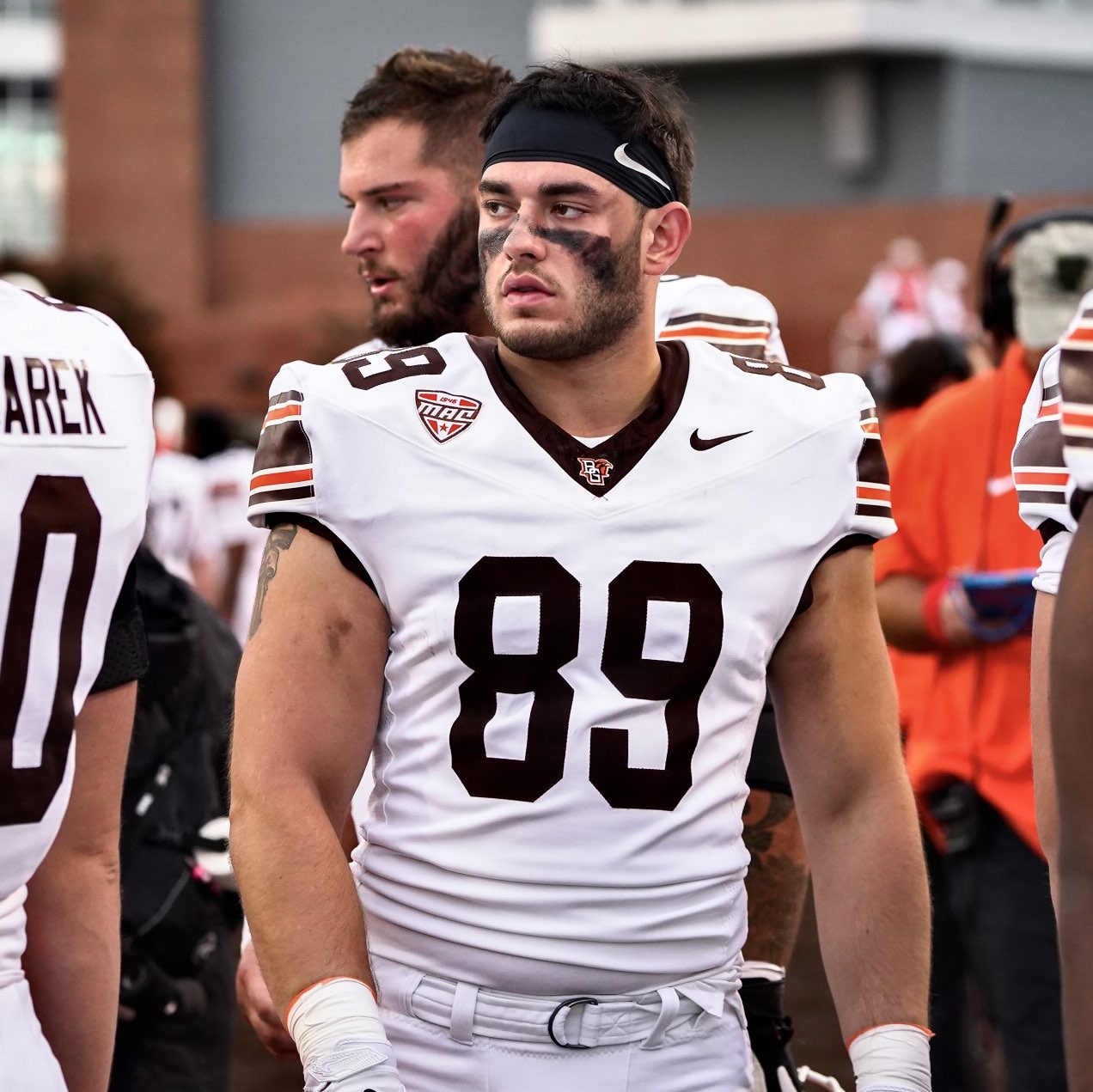
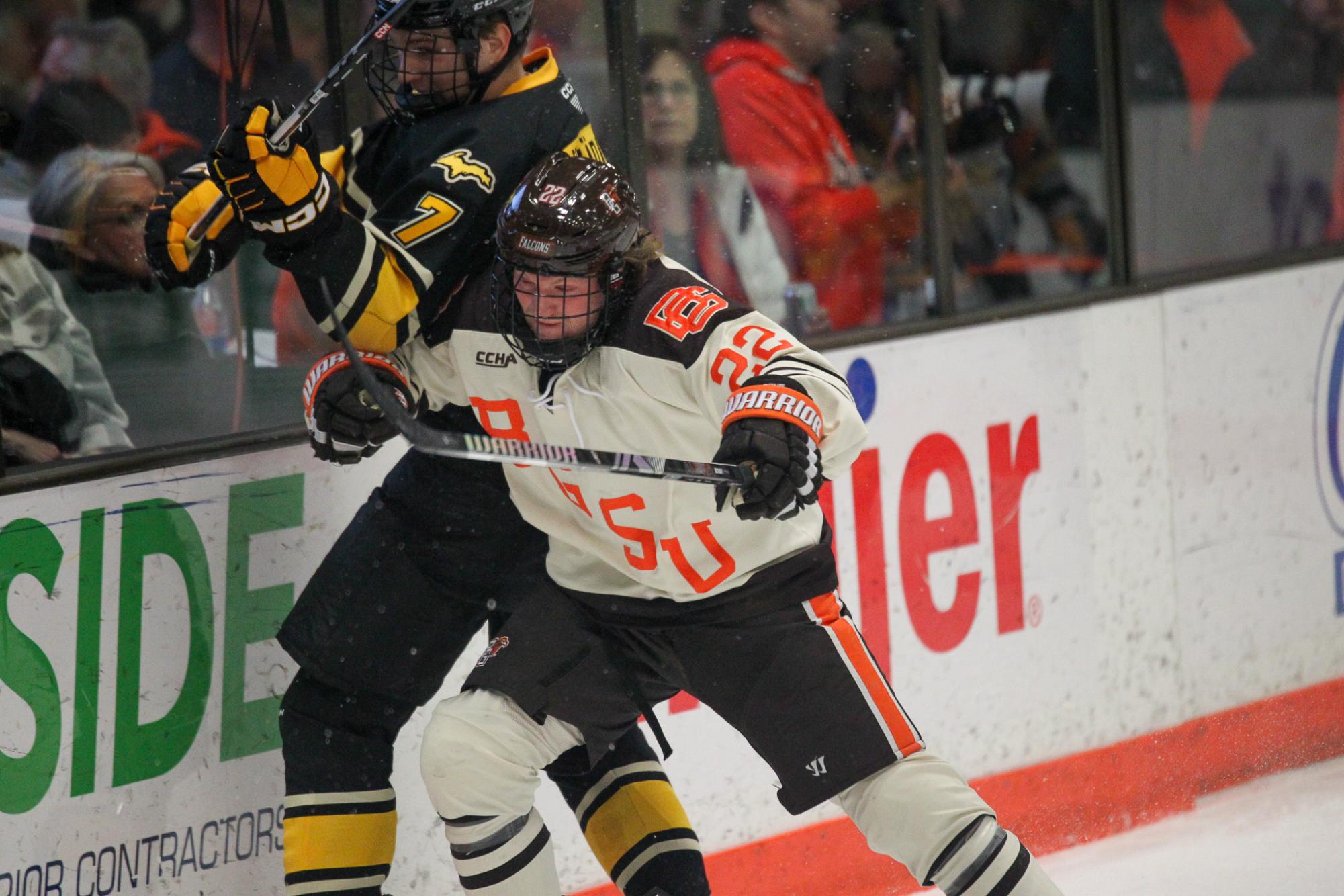
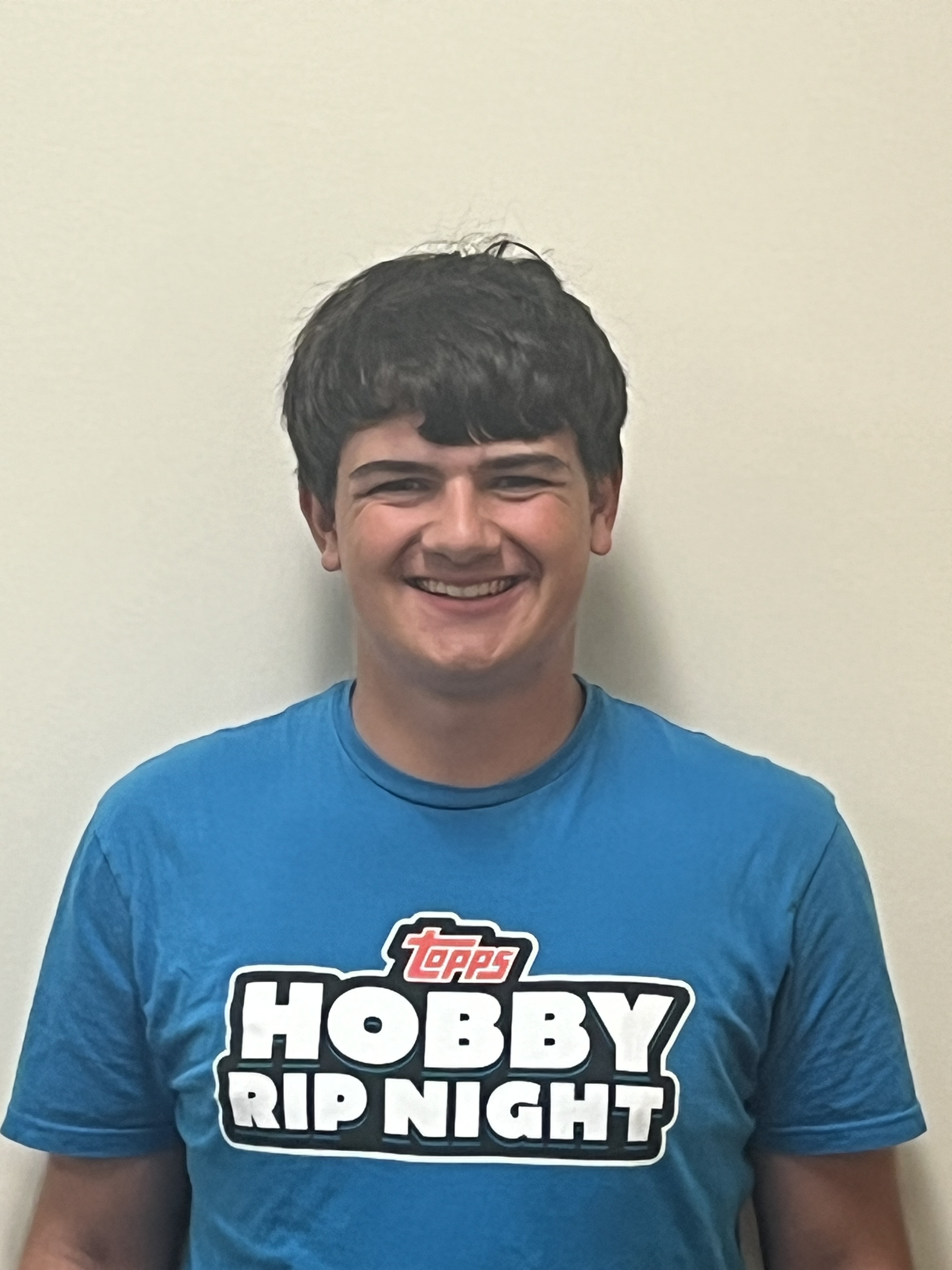



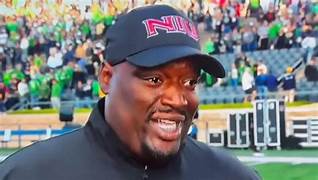
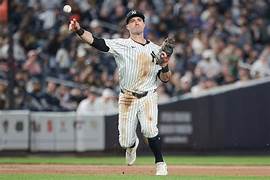
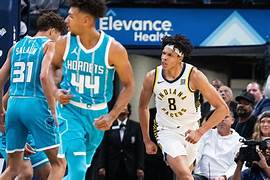
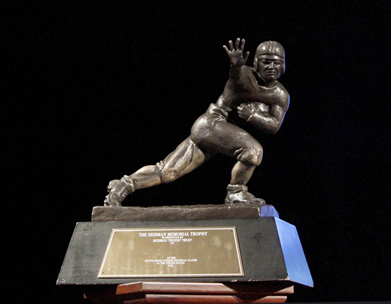
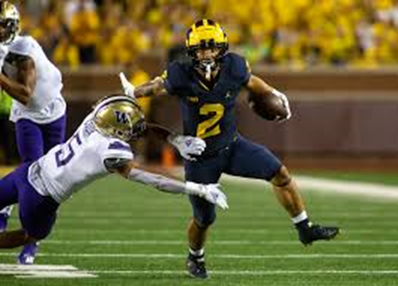

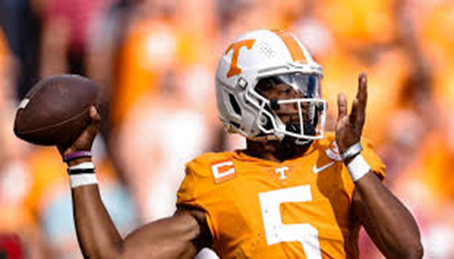

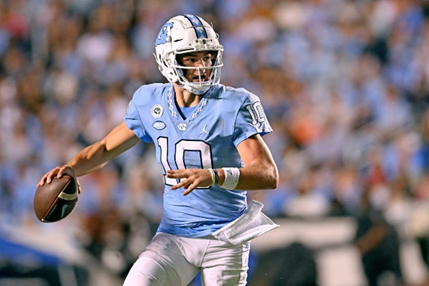
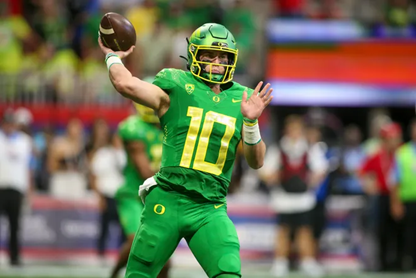
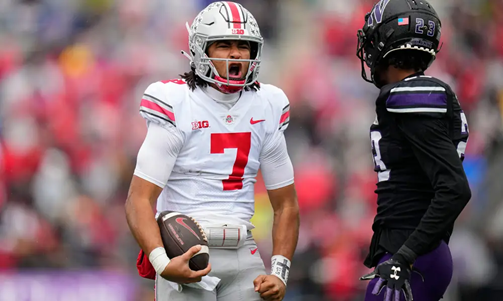
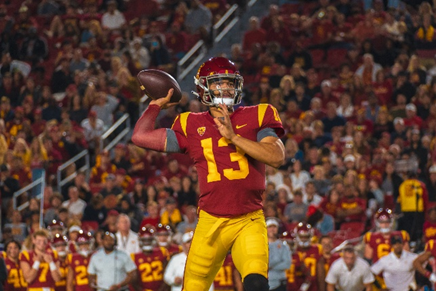

 Image via

 Maxwell Media Watch